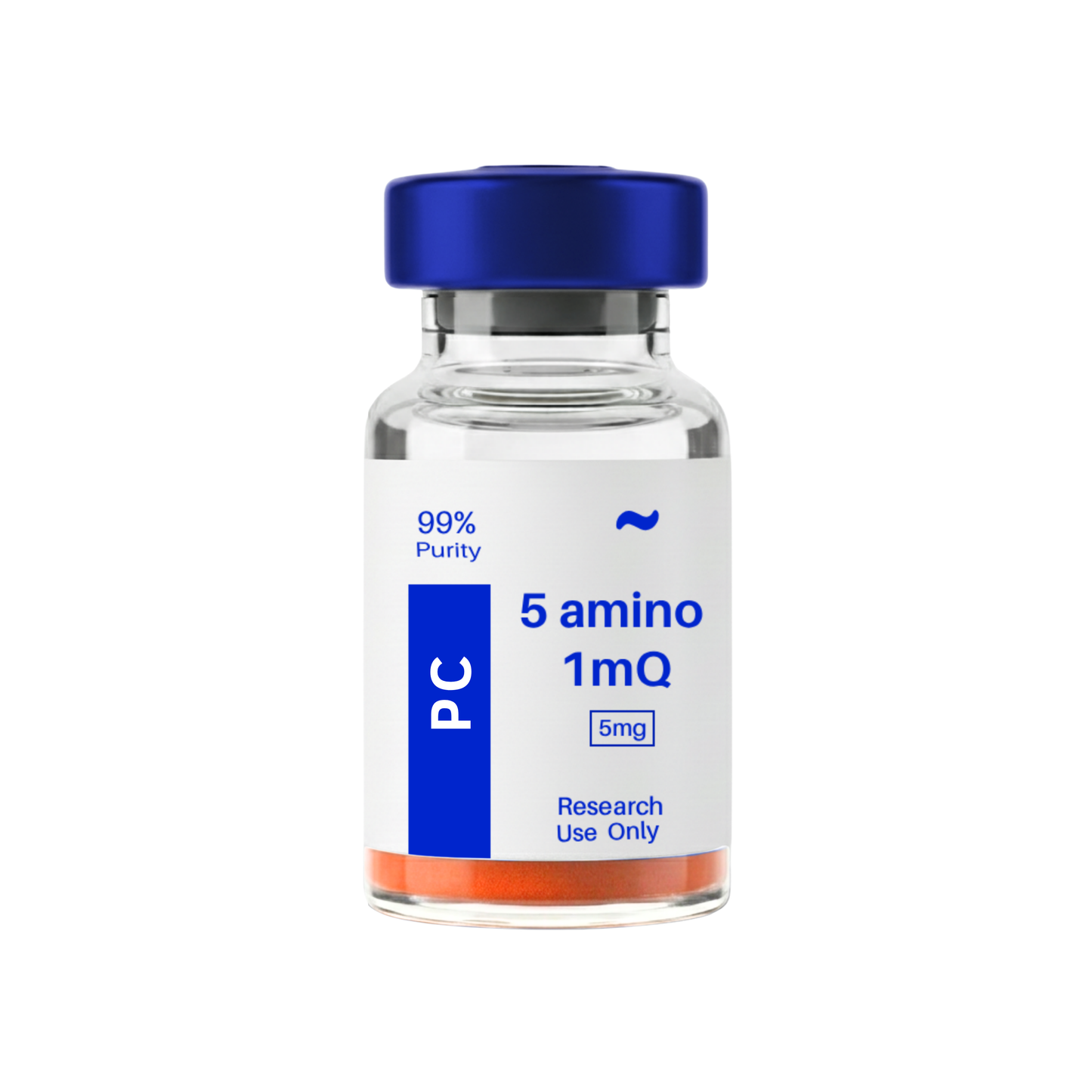
5-Amino-1MQ: Research Grade Product Summary
Focus: A Balanced Summary of Chemical and Biological Properties
This document provides a comprehensive overview of 5-Amino-1MQ (5-Amino-1-methylquinolinium) for use in controlled laboratory research settings. It outlines the chemical characteristics, biological mechanism of action, and relevant application areas of this highly selective nicotinamide N-methyltransferase (NNMT) inhibitor.
Product Information
Product Name
5-Amino-1MQ - Research Grade
Chemical Name
5-Amino-1-methylquinolinium
Mechanism
Selective NNMT Inhibitor
Target
Cytosolic Nicotinamide N-methyltransferase
Product Description
5-Amino-1MQ is a synthetic, small-molecule quinolinium derivative that functions as a highly selective inhibitor of the enzyme nicotinamide N-methyltransferase (NNMT).
In laboratory research, this compound is utilized to investigate the modulation of cellular energy metabolism. By inhibiting NNMT, 5-Amino-1MQ prevents the methylation of nicotinamide (NAM), thereby preserving the intracellular pool of NAD+ (Nicotinamide Adenine Dinucleotide) and shifting metabolic flux away from fat storage towards energy expenditure.
Specifications
Characteristic
Detail
Form
Lyophilized Powder / Crystalline Solid
Purity (HPLC)
>98%
Formula
C10H11N2+
Solubility
Soluble in water and physiological buffers.
Chemical Properties
Structure and Synthesis
The structure of 5-Amino-1MQ is based on the quinolinium core, a common heterocyclic aromatic compound. The molecule is characterized by a methyl group at the N1 position and an amino group at the C5 position of the quinoline ring. This specific substitution pattern is critical for its inhibitory activity and selectivity against the NNMT enzyme.
The compound is typically synthesized through a multi-step organic process, culminating in the quaternization of the nitrogen atom to form the quinolinium cation. High-Performance Liquid Chromatography (HPLC) is the standard method used to confirm its purity, ensuring minimal contaminants for research applications.
Physico-Chemical Data
The cationic nature of 5-Amino-1MQ necessitates its pairing with a counterion for stability (e.g., iodide, chloride, or trifluoroacetate). The specifications listed below pertain to the active quinolinium cation.
Property
Value
Molecular Weight (Cation)
171.21 g/mol
Appearance (Solid)
White to Off-White Powder
Storage Temperature
-20°C (Recommended)
Stability
Stable for Date when stored as recommended, protected from light and moisture.
Biological Mechanism of Action
The Nicotinamide N-methyltransferase (NNMT) Pathway
NNMT is a cytosolic enzyme that catalyzes the S-adenosyl-L-methionine (SAM)-dependent methylation of nicotinamide (NAM), a key intermediate in the NAD+ salvage pathway. This reaction consumes SAM (a crucial methyl donor) and produces 1-methylnicotinamide (1-MNA).
NNMT is expressed across various tissues, particularly high in liver and adipose tissue. Elevated NNMT activity is frequently observed in states of metabolic dysfunction, such as obesity and type 2 diabetes.
The NNMT Reaction:
NAM + SAM $\rightarrow$ 1-MNA + S-Adenosylhomocysteine (SAH)
5-Amino-1MQ as a Selective Inhibitor
5-Amino-1MQ acts as a competitive inhibitor of NNMT. It binds to the enzyme's active site with high affinity, preventing the binding of the natural substrate, nicotinamide (NAM).
Upregulation of NAD+ and Metabolic Effects
The primary biological consequence of NNMT inhibition by 5-Amino-1MQ is the preservation of intracellular NAM. This increased pool of NAM is then recycled back into the NAD+ salvage pathway, leading to a localized increase in NAD+ levels.
NAD+ is an essential cofactor for numerous cellular processes, notably:
- Sirtuin Activity: Increased NAD+ levels enhance the activity of NAD+-dependent deacetylases (SIRT1-7), which are key regulators of gene expression, aging, and metabolism.
- Energy Metabolism: Higher NAD+/NADH ratios support flux through the tricarboxylic acid (TCA) cycle and oxidative phosphorylation.
Inhibition of NNMT by 5-Amino-1MQ shifts cellular metabolism:
- Adipose Tissue: Decreases fat storage (lipogenesis) and promotes lipolysis and energy expenditure.
- Liver: Modulation of hepatic glucose and lipid metabolism.
- Muscle: Potential increase in mitochondrial function and fatty acid oxidation.
Research Applications and Translational Potential
5-Amino-1MQ is a valuable tool for investigating metabolic pathways and cellular energy homeostasis in models of metabolic disease.
Key Research Areas
Research Area
Biological Focus
Potential Outcome of Research
Metabolic Syndrome
Inhibition of NNMT in adipose tissue and liver.
Studying effects on insulin sensitivity, weight management, and hepatic steatosis.
NAD+ Biology
Regulation of intracellular NAD+ pools and sirtuin activity.
Investigating the role of NAD+ in cellular repair, stress response, and aging.
Inflammation
NNMT linkage to inflammatory pathways.
Assessing 5-Amino-1MQ's potential to modulate inflammatory markers and processes.
Oncology
Elevated NNMT in various cancers (e.g., thyroid, bladder).
Exploration of its use as a metabolic adjuvant in cancer therapy.
Research-Specific Considerations
- In Vitro Studies: Researchers often use 5-Amino-1MQ in cell culture to observe direct effects on NAD+ levels, gene expression profiles, and cellular lipid accumulation.
- In Vivo Models: In animal models, 5-Amino-1MQ is used to study systemic effects on body weight, glucose tolerance, and fat mass distribution. Effective dosing and formulation are critical for successful in vivo application.
- Specificity: The high selectivity of 5-Amino-1MQ for NNMT makes it superior to less specific NNMT inhibitors, minimizing off-target effects and providing clearer results.
Safety and Handling
Usage
For Laboratory Research Only. Not for human consumption or therapeutic use. This product is intended solely for in vitro and in vivo scientific research and is to be handled only by qualified, trained personnel.
Safety Data Sheet (SDS)
A complete Safety Data Sheet (SDS) for 5-Amino-1MQ is available upon request and must be reviewed prior to handling. Researchers must ensure they comply with all institutional safety protocols.
Recommended Safety Precautions
Hazard
Precautionary Measure
Inhalation
Work in a well-ventilated area or under a chemical fume hood. Avoid breathing dust/fume/gas/mist/vapors/spray.
Skin/Eye Contact
Wear appropriate protective equipment: safety glasses/goggles, lab coat, and chemical-resistant gloves (e.g., nitrile).
Ingestion
Do not eat, drink, or smoke when using this product. Wash hands thoroughly after handling.
Storage
Store tightly sealed at the recommended temperature (Date) in a dry, dark place.
First Aid Measures
Exposure Route
Action
Inhalation
Remove person to fresh air and keep comfortable for breathing. Call a POISON CENTER or doctor if feeling unwell.
Skin Contact
Wash with plenty of water. If skin irritation occurs, get medical advice/attention.
Eye Contact
Rinse cautiously with water for several minutes. Remove contact lenses, if present and easy to do. Continue rinsing.
Ingestion
Rinse mouth. Do NOT induce vomiting. Seek medical attention immediately.
Preparation and Quality Control
Reconstitution and Working Solutions
5-Amino-1MQ is highly soluble in water and common physiological buffers (e.g., Phosphate-Buffered Saline, cell culture media).
General Guidelines:
- Aqueous Solutions: Dissolve the lyophilized powder in sterile, deionized water or buffer.
- Stock Solutions: Typical stock concentrations range from 10 mM to 100 mM. Prepare fresh solutions or aliquot and freeze for long-term storage to prevent degradation.
- Sterility: For cell culture applications, stock solutions should be sterile-filtered (0.2 µm filter) if not prepared under aseptic conditions.
Analytical Quality Control
The quality and purity of Research Grade 5-Amino-1MQ are ensured through rigorous analytical testing, including:
- HPLC Analysis: Confirms the purity (>98%) and the absence of significant impurities, degradation products, and unreacted starting materials.
- Mass Spectrometry (MS): Confirms the molecular weight (C10H11N2+), verifying the chemical structure.
- Nuclear Magnetic Resonance (NMR): Used for structure elucidation and confirmation of the specific quinolinium derivative.
The Certificate of Analysis (CoA) confirming these specifications is available as a File with each batch of the product.
Detailed Biological Context: The Metabolic Shift
Link to Lipid Metabolism
Inhibition of NNMT in white adipose tissue (WAT) is particularly relevant. NNMT expression is generally upregulated in obese individuals. By inhibiting this enzyme, 5-Amino-1MQ increases the NAM pool, which fuels the production of NAD+. The resulting higher NAD+ levels activate SIRT1, a deacetylase crucial for regulating lipid metabolism.
SIRT1 activation in WAT leads to:
- Deacetylation of key transcription factors, promoting the expression of genes involved in lipolysis (fat breakdown).
- Suppression of genes involved in lipogenesis (fat synthesis).
This metabolic shift has been a significant area of research interest, suggesting 5-Amino-1MQ as a probe for understanding and potentially targeting obesity-associated metabolic dysfunction.
Implications for Energy Expenditure and Thermogenesis
Research suggests that 5-Amino-1MQ may influence energy expenditure by promoting the "browning" of white adipose tissue—a process where WAT takes on characteristics of metabolically active brown adipose tissue (BAT). This involves an increase in mitochondrial biogenesis and the expression of uncoupling protein 1 (UCP1), which generates heat (thermogenesis) instead of ATP, increasing caloric burn.
Role in Mitochondrial Function
The maintenance of robust NAD+ levels is paramount for mitochondrial health and function. NAD+ is required for the activity of several dehydrogenases in the TCA cycle. Furthermore, NAD+ regulates the activity of sirtuin family members located in the mitochondria (SIRT3, 4, 5), which manage the acetylation state of mitochondrial proteins. Research utilizing 5-Amino-1MQ helps elucidate how modulating the NNMT pathway influences these critical mitochondrial processes.
Documentation and Intellectual Property
Reference Literature
Research involving 5-Amino-1MQ is extensive. Researchers are advised to consult primary scientific literature for detailed methodology, effective concentrations, and observed biological effects.
Key search terms include: Nicotinamide N-methyltransferase inhibitor, 5-Amino-1-methylquinolinium, NAD+ salvage pathway, Sirtuin activation, and metabolic reprogramming.
Related Resources
Additional technical documents and safety information can be found at:
- File (Technical Data Sheet)
- File (Material Safety Data Sheet)
- File (Bulk Order Information)
For technical support or inquiries regarding optimal use, please contact the product's supplier.
Future Research Directions
The investigation of NNMT inhibitors like 5-Amino-1MQ continues to be an active area of research. Current and future studies focus on:
- Determining the precise dose-response relationship in specific tissues.
- Understanding the long-term safety profile and off-target effects.
- Exploring synergistic effects with other metabolic modulators.
- Investigating its potential in non-metabolic diseases where NNMT may play a regulatory role (e.g., neurodegeneration).
Researchers are encouraged to share their findings and contribute to the growing body of knowledge surrounding the therapeutic potential of NNMT inhibition.
Ordering Information
To place an order or inquire about large-scale procurement of 5-Amino-1MQ Research Grade, please contact our sales department at:
- Email: Person@example.com
- Phone: Person
- Online Portal: Access via the File
We offer various pack sizes to accommodate the needs of small-scale laboratory experiments up to high-throughput screening initiatives.
Disclaimer: The information provided herein is for research purposes only and is not intended to be used for diagnostic or therapeutic purposes.
Revision Date: Date
Document Location: Place
Document Reference: File
For inquiries, contact: Person
End of Document